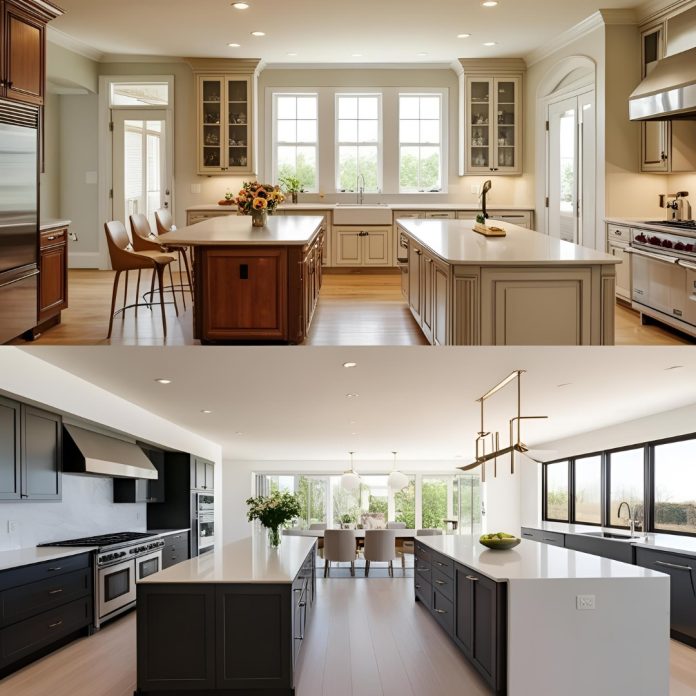
Remodeling your house is an exciting idea, but when you add the term “custom,” the options are virtually limitless. Homeowners may take total control of their space with custom home remodeling, making sure that every area represents their own preferences, requirements, and way of life. Custom remodeling enables you to realize your vision, whether it’s a whole new floor plan, a large master bedroom, or a new kitchen layout.
A custom makeover can be a wise investment in today’s cutthroat real estate market, improving your quality of life and raising the value of your home. Older floor plans and generic styles are no longer the only options available to homeowners. You can create a room that works just for you and revitalize your existing house with custom remodeling.
1. What Is Remodeling a Custom Home?
The process of renovating, revamping, or enlarging your existing home to suit your unique requirements and preferences is known as custom home renovation. Custom remodeling provides total flexibility, in contrast to ordinary renovations, where the alterations are frequently constrained by pre-existing layouts or style trends. This implies that the renovation will be customized to match your tastes, lifestyle, and vision, creating a home that feels wholly original and personal.
Renovating a single room, like the kitchen or bathroom, or making significant changes, such adding new levels, altering floor plans, or building whole new rooms, are all examples of custom remodeling. It may also entail improving energy efficiency, implementing smart home technologies, and updating materials and finishes.
2. Why Opt for Personalized Remodeling?
The opportunity to create a space that meets your unique demands is one of the strongest arguments for choosing bespoke home remodeling. Custom remodeling allows you the freedom to design the house of your dreams, whether you’re growing your family, working from home, or just want a more beautiful space. You get to choose what best suits your lifestyle rather than settling with pre-made layouts or styles.
A personalized makeover also raises the value of your house. You can make a room that stands out in the real estate market by optimizing the layout, utilizing premium materials, and adjusting the design to contemporary requirements. Potential purchasers will value the consideration, work, and money you’ve invested in your house if you decide to sell at any point.
3. The Process of Custom Remodeling
Starting a bespoke home remodeling project takes time, careful planning, and cooperation from knowledgeable experts. Here is a summary of the usual stages that are involved:
First Consultation and Design: The first stage is to discuss your remodelling concept with an architect, designer, or contractor. You will discuss your budget, desired style, functionality, and personal preferences. Based on your specifications, professional designers can offer recommendations and innovative solutions to help you realize your ideas.
Planning and permissions: Obtaining the required permissions and approvals from local authorities comes next when the design is complete. Since structural alterations are frequently necessary for custom renovation, it’s critical to make sure that all work conforms with building laws and regulations.
Construction: The building phase starts as soon as permits are obtained. This covers all of the home’s physical modifications, including structural work, plumbing, electrical installations, and demolitions. From rearranging walls to installing new windows, skilled contractors guarantee that everything is completed accurately.
Final Touches: The finishing touches are applied after the major job is finished. This covers cabinetry, fixtures, painting, flooring, and décor. These particulars give the room its finished appearance and feel, making it flawless.
Final Walkthrough and Inspection: To make sure that everything was completed in accordance with the plan and code, a final inspection is carried out once the project is finished. This is your opportunity to go over the work and resolve any last-minute issues with the contractor as you go through the remodel.
4. Well-liked Custom Remodeling Initiatives
Although there are many different types of custom home remodeling, some are very well-liked by homeowners. These are some of the more typical ones:
Remodeling the Kitchen: The kitchen is frequently regarded as the center of the house. Adding an island, installing custom cabinetry, switching to energy-efficient appliances, or rearranging the layout for improved flow are all examples of bespoke kitchen remodeling. To further enhance the area, homeowners can add upscale features like built-in lighting, glass backsplashes, and marble countertops.
Bathroom Remodeling: A modest, antiquated bathroom may be turned into an opulent haven with a custom bathroom redesign. Walk-in showers, free-standing tubs, double vanities, custom tile work, and smart home amenities like touchless faucets and heated floors are popular upgrades.
Open Concept Living: By taking down walls and enlarging spaces, many homeowners want to create a feeling that is more spacious and airy. This makes the living room and kitchen rooms more communal and is especially well-liked. Architects and custom builders collaborate to create layouts for improved usability and flow.
Home Additions: The desire for additional room increases as families get bigger. Building a sunroom, expanding the kitchen, or adding a new bedroom are examples of home improvements that provide a smooth method to increase living space without relocating. Custom home remodelers make sure that the addition’s structure and design complement the rest of the house.
5. Sustainability and Custom Remodeling
When it comes to bespoke house remodeling, sustainability is becoming a more significant consideration. In an effort to lower their power costs and carbon footprint, homeowners are increasingly selecting eco-friendly materials and energy-efficient features. This could consist of:
Energy-efficient appliances: You may significantly lower electricity use by choosing equipment with high energy star ratings.
Sustainable materials: You can use a variety of sustainable building materials in your bespoke redesign, from recovered stone worktops to bamboo flooring and repurposed wood.
Water-saving features: Rainwater harvesting systems, dual-flush toilets, and low-flow faucets can all help cut down on household water use.
To lessen dependency on conventional energy sources, solar panels and green roofs can be incorporated into bespoke remodeling projects.
6. Creating a Custom Remodel Budget
Budget management is one of the most important parts of remodeling a custom home. Having a clear budget guarantees that you won’t be caught off guard by unforeseen costs. The following should be taken into account while organizing a custom remodel:
Decide on a certain budget range: Establish a reasonable project budget in collaboration with your renovation contractor. Add in the price of supplies, labor, permits, and unforeseen charges.
Set feature priorities: Whether it’s remodeling the kitchen or changing the floor plan, if money is tight, focus on the features that will have the biggest impact.
Plan for contingencies: It’s a good idea to allocate an extra 10–20% of your budget to cover any unforeseen difficulties or adjustments.
7. Selecting the Best Custom Remodeling Company
To guarantee that your custom home remodel is completed to the greatest standards, selecting the correct contractor is essential. The following advice can help you locate the ideal fit:
Experience and reputation: Seek out contractors with a track record of success and experience working on custom projects. Examine their portfolios, get recommendations, and read client reviews.
Verify that the remodeler has the appropriate insurance and licensing. This shields you from any obligations that may arise throughout the process.
Communication: It’s crucial to communicate clearly and consistently. A competent contractor will pay attention to your needs, provide knowledgeable guidance, and update you at every stage.
8. Schedules for Remodeling Custom Homes
Depending on the size of the job, custom home remodeling timelines can differ greatly. While a full house makeover could take many months, a small room upgrade might only take a few weeks. Setting reasonable expectations with your contractor is crucial, as is accounting for unforeseen structural problems or material procurement delays.
9. Property Value and Custom Home Renovation
One smart strategy to raise the value of your house is to invest in a personalized makeover. Personalized improvements can increase the property’s appeal to potential buyers in addition to improving your quality of life. Expanded living areas, opulent bathrooms, and custom kitchens are all additions that can raise the market value of your house.
10. Conclusion: The Realization of Your Dream Home
Homeowners have the chance to design a living area that is as distinctive as they are with custom home remodeling. Every element of a bespoke redesign, from useful upgrades to upscale design elements, can be customized to fit your unique requirements, preferences, and financial constraints.
The outcome is well worth the effort, even though the process calls for patience, investment, and careful planning. In addition to improving your lifestyle now, a bespoke home makeover increases the usefulness, value, and enjoyment of your house for many years to come.