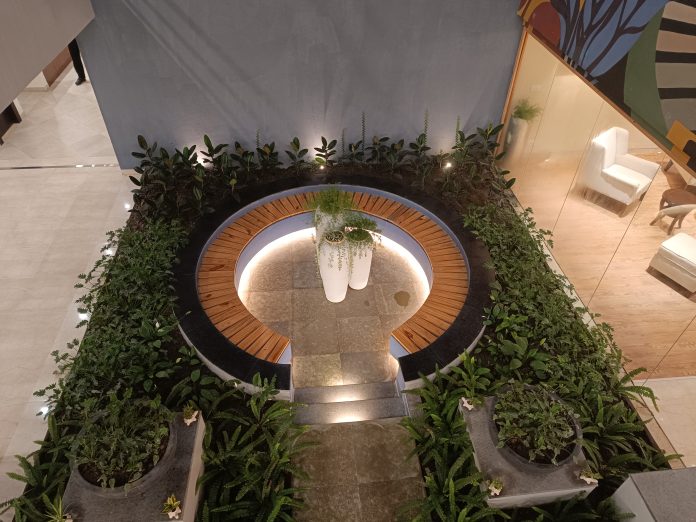
Retirement age in India varies by sector. It is 60 for most government employees and 60 to 65 in the private sector. It is regulated differently in the judiciary, defence, and education. Its impact on senior citizens extends far beyond the end of employment. It covers seven specific dimensions of changing needs: healthcare access, emotional wellness, safety, social connection, independent living support, financial security, and lifelong learning. Senior housin in India at Jagriti Dham by Infinity Group near Joka, Amtala addresses all seven post-retirement needs as a daily residential standard. It makes retirement a new beginning rather than a decline.
Retirement in India is no longer what it used to be. The age at which it occurs varies by sector and by individual circumstance, and the period it initiates is increasingly understood not as a winding down but as a new chapter that requires specific support — for health, social connection, safety, and purpose — to be genuinely fulfilling. The senior housing india standard at Jagriti Dham near Joka is built around exactly this understanding — providing the residential environment that makes the post-retirement chapter as rich as any that preceded it.
Retirement Age in India by Sector — and the Changing Needs That Retirement Initiates for Senior Citizens
Retirement age in India is sector-dependent rather than universally fixed — and understanding this variability helps families plan post-retirement support at the right time:
- Retirement age by sector. Government employees in most states retire at 60, though state-level variations apply. Private sector employers typically require retirement between 60 and 65 years. Professionals in the judiciary, defence, education, and other regulated fields retire according to their respective regulatory body’s rules — and some senior professionals in these fields continue working beyond the standard retirement age when their skills remain in demand. The top 10 old age homes in Kolkata planning conversation with families often begin not at 60 but at the actual retirement date — which for many professionals arrives at 62, 65, or later depending on their sector.
- Accessible healthcare: the first and most critical post-retirement need. The transition from employment — which typically provides institutional healthcare access — to retirement introduces a healthcare access gap that many seniors underestimate before they experience it. The article about old age homes provision at Jagriti Dham addresses this gap through the geriatric-specialist care team, the daily morning health assessment, and the pre-established hospital relationships that provide the accessible quality healthcare that post-retirement life requires.
- Emotional wellness and social connection: the two needs most impacted by the end of working life. The structure, purpose, and peer connection that employment provides are among the most significant non-financial losses of retirement — and for many seniors, the emotional impact of this transition is more challenging than the financial one. The geriatric diet chart provision at Jagriti Dham includes nutritional support, while the Bengali peer community provides daily social connection and a sense of purpose after the professional structure of employment ends.
- Safety, independence, and financial security: three needs that compound with age. The safety need — living in a physically accessible environment free from fall risks — increases with age and is most fully addressed by an IGBC-certified building designed for elder mobility. The independence need — maintaining agency over daily life while receiving support when needed — is supported by a care model that enables rather than substitutes. The residential assisted living standard at Jagriti Dham addresses all three simultaneously — the safety infrastructure, the enabling care philosophy, and the financial support navigation through government scheme access assistance.
How Senior Housing India at Jagriti Dham Addresses the Lifelong Learning Need — and Makes Retirement a Genuinely New Beginning
Lifelong learning — access to libraries, workshops, cultural events, and games — is among the most commonly overlooked needs in elder care planning and among the most significant for cognitive health and wellbeing:
- Lifelong learning at Jagriti Dham: culture, knowledge, and creative engagement every day. The daily programme at Jagriti Dham provides the lifelong learning dimension through Bengali cultural sessions that engage literary and musical knowledge, expert talks that introduce new subjects, creative activity sessions that develop skills alongside enjoyment, and the games room and library that provide self-directed learning and recreational engagement. The problems faced by old people in domestic isolation — the absence of stimulation, the narrowing of daily interest — are specifically addressed by a programme that makes learning and engagement the residential default.
- The advantage old age home provides over home-based retirement for the seven changing needs. Each of the seven post-retirement needs is more completely met in a well-designed luxury retirement community than in a domestic setting — because the community provides the professional healthcare, the peer social structure, the safety infrastructure, and the learning programme that domestic retirement requires the elder to source individually and unsystematically. The advantage old age home community at Jagriti Dham provides all seven as integrated daily provisions rather than as individually arranged services. Families can review this integrated provision at the advantage old age home listing — where the full residential standard at Jagriti Dham is described comprehensively.
- Jagriti Dham’s specific features that address each post-retirement need. The Jagriti Dham residential standard addresses each post-retirement need through specific provisions: personalised geriatric care and hospital tie-ups for healthcare; the Bengali peer community and counselling access for emotional wellness; the IGBC-certified double-gated 24/7 CCTV campus for safety; the enabling care philosophy for independence; government scheme navigation support for financial security; and the cultural programme, library, and games room for lifelong learning. The residential assisted living standard at Jagriti Dham is designed as a complete response to post-retirement need — not a selection of provisions but a comprehensive residential standard that addresses all seven simultaneously.
Retirement Age Marks the Beginning of a Chapter That Requires Specific Support — and Jagriti Dham Provides All of It
Whether retirement arrives between 60 and 65—or whatever sector determines that timing—the seven changing needs that retirement initiates require a residential environment specifically designed to address them. The senior housing india standard at Jagriti Dham by Infinity Group near Joka, Amtala provides all seven through a residential standard that makes retirement not the end of an active life but the beginning of a supported, engaged, and genuinely fulfilling one.
Frequently Asked Questions
Q1. For a professional who is approaching retirement at 62 and is beginning to plan their post-retirement living arrangement, what is the optimal time to schedule a visit to Jagriti Dham?
- Optimal Timing: Visit Jagriti Dham one to two years before retirement to choose from an informed position rather than urgent need while ensuring current community standards match the transition.
- Visit Purpose: Provides prospective residents a direct community experience and allows the care team to conduct health and preference assessments to create a personalised care plan for arrival day.
- Transition Benefit: Families who visit early consistently experience a significantly smoother transition compared to those who wait until after retirement.
Q2. For NRI families whose parent is retiring in India while the family is abroad, how does the timing of retirement affect the urgency of arranging Jagriti Dham residency?
Retirement is typically the trigger event that makes the Jagriti Dham arrangement most urgent for NRI families — because the professional structure that organised the retiring parent’s daily life, provided peer connection, and supplied a sense of purpose all end at the same moment. The domestic setting that was adequate when the parent was employed and out of the house for ten hours a day becomes significantly less adequate when they are at home all day without structure, stimulation, or peer company. The NRI family who arranges the Jagriti Dham transition at or shortly before retirement prevents the isolation and purpose loss that the months immediately following retirement commonly produce for seniors living alone.
Ready to plan a fulfilling post-retirement chapter at Jagriti Dham near Joka?
Book a scheduled visit — the earlier the visit, the smoother the transition.
About Jagriti Dham
This guide was curated by the Jagriti Dham team (www.jagritidham.com). Jagriti Dham is Kolkata’s most luxurious senior citizen home and Eastern India’s first Indian Green Building Council-certified green senior living facility, situated near Joka, Amtala in South Kolkata. A project of the Infinity Group, Jagriti Dham is envisioned as a centre of excellence, promoting active ageing and aiming to build an age-integrated society — where elders can live independently while receiving the best possible care. Unlike other old age homes, Jagriti Dham’s vision extends beyond the walls, giving elders a hassle-free life in a peaceful, like-minded community.
Follow us: Facebook | YouTube | Google My Business | LinkedIn | Instagram