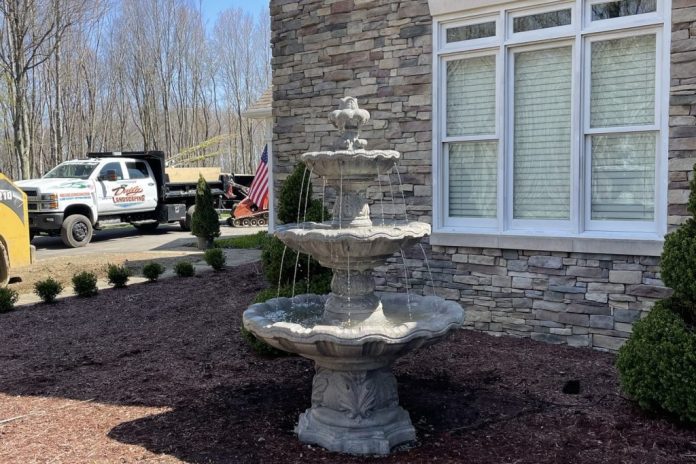
Landscaper prices vary widely depending on what you need done. You’ll typically pay $30–$80 per visit for lawn mowing, $200–$800 per tree for trimming, and $1,500–$7,000 or more for full landscape design. Hourly rates usually run $50–$100. Your location, yard size, and the complexity of the project all affect your final cost. Keep exploring to make sure you’re getting a fair deal and avoiding costly mistakes.
Landscaper Costs by Service Type
Landscaping costs vary widely by service, from basic lawn maintenance to full-scale landscape design.
Lawn mowing typically runs $30–$80 per visit, while fertilization costs $50–$400 per treatment.
If you’re installing a sprinkler system, expect to pay $1,700–$3,500.
Tree trimming averages $200–$800 per tree, and sod installation runs $1–$2 per square foot.
Full landscape design services can cost $1,500–$7,000 or more, depending on project complexity.
Understanding these price ranges helps you budget accurately and prioritize which services deliver the greatest value for your specific property needs.
Why Landscaper Prices Vary So Much
Behind those wide price ranges lies a mix of factors that directly affect what you’ll pay for any landscaping project. Your location matters greatly—labor costs in urban markets run higher than rural areas.
Project complexity, yard size, and terrain all influence pricing too. Landscapers with specialized certifications or years of experience typically charge premium rates.
Material choices create dramatic cost swings, since native plants cost far less than exotic varieties.
Seasonal demand also shifts prices; spring bookings cost more than off-season work.
Understanding these variables helps you evaluate quotes accurately and make smarter decisions when hiring a landscaping design near me.
Hourly vs. Flat-Rate Landscaper Pricing
When hiring a landscaper, you’ll encounter two main pricing structures: hourly rates and flat-rate project pricing.
Hourly rates typically range from $50–$100 per hour, making them ideal for smaller, undefined tasks like weeding or trimming.
Flat-rate pricing works better for larger projects, such as installing a patio or designing a full landscape plan, since you’ll know the total cost upfront.
Hourly billing can increase unexpectedly if complications arise, while flat rates protect your budget.
Always ask landscapers which model they use before signing anything, and get detailed written estimates to avoid surprises when the invoice arrives.
What a Fair Landscaper Quote Actually Looks Like
A fair landscaper quote isn’t just a number—it’s a detailed breakdown you can actually evaluate. It should clearly list labor costs, materials, equipment fees, and project timeline.
If a quote only shows a lump sum, ask for itemization. Reputable landscapers won’t hesitate to explain every line.
You should also see specific materials listed by name and quantity—not vague terms like “mulch” or “plants.”
Compare at least three quotes before deciding. If one quote seems dramatically lower, that’s a red flag. Fair pricing reflects real costs, not just the number you want to hear.
Red Flags to Watch for When Hiring a Landscaper
Knowing the warning signs before you hire can save you thousands in poor work or outright scams.
Avoid landscapers who demand full payment upfront—reputable contractors typically request a deposit, not the total. Be cautious of unusually low bids, which often signal cut corners or hidden charges later.
No written contract is a serious problem; always insist on one. Vague timelines, no proof of licensing or insurance, and pressure to decide immediately are all concerning.
Trust your instincts—if something feels off during the estimate, it probably is.
Frequently Asked Questions
Can I Negotiate Landscaper Prices After Receiving an Initial Quote?
Yes, you can negotiate a landscaper price after receiving a quote.
Ask about bundling services, adjusting the project scope, or scheduling during off-peak seasons.
You’ll often find landscapers are willing to work within your budget.
Do Landscapers Charge Differently Based on the Season or Weather?
Yes, landscapers do charge differently based on season and weather.
You’ll typically pay more in spring and summer when demand peaks.
During off-seasons like winter, you’ll often find lower rates and better availability.
Are Landscaper Services Typically Tax-Deductible for Homeowners?
Generally, you can’t deduct landscaping costs for your personal home on your taxes.
However, if you use part of your home for business, you may deduct a portion of the landscaping expenses proportionally.
How Far in Advance Should I Book a Landscaper for My Project?
You should book a landscaper at least 4–6 weeks in advance for standard projects.
For large installations or peak spring and summer seasons, you’ll want to secure your spot 2–3 months ahead to avoid delays.
Does Homeowners Insurance Ever Cover Any Landscaping-Related Costs?
Yes, your homeowners insurance can cover landscaping costs if a covered peril, like a storm or fire, damages your trees or plants.
However, it won’t cover routine maintenance or general landscaping improvements you’re planning.
Conclusion
When hiring a professional landscaper like Daily Landscaping, you’ve got to know what you’re getting into before signing anything. Understanding service types, pricing models, and what a fair quote looks like puts you in the driver’s seat. You’ll avoid overpaying and spot red flags before they become costly mistakes. Do your research, compare multiple quotes, and don’t settle for vague estimates. A well-informed homeowner always gets a better deal.