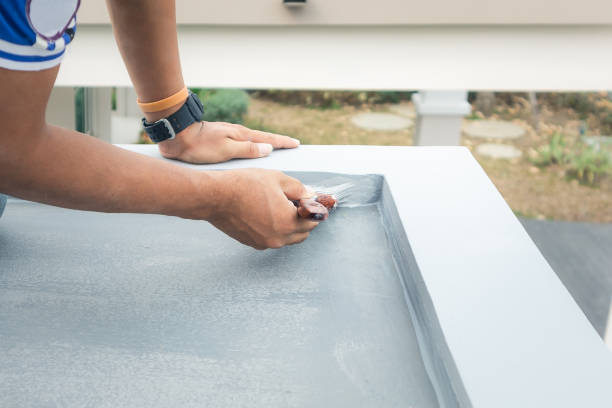
Protective coatings often go unnoticed, but they shape how long buildings last and how well infrastructure performs. When done right, the coating stays out of sight and keeps the surface beneath from breaking down. Polyurea plays a central role in that work. It doesn’t advertise itself. It doesn’t crack when the substrate moves. And it doesn’t peel after the first season of use. But while the material performs quietly, learning how to use it well takes more than just reading a label.
The first question many builders or contractors ask sounds simple: where can I learn about polyurea that doesn’t come from a brochure? That’s where a few well-established resources stand out. They don’t try to sell the product first. They focus on what works in the field, why certain jobs succeed, and how training makes the difference between a short-term coat and a long-term bond.
ArmorThane USA Inc. offers one of the most grounded starting points. The company has produced protective coatings and spray equipment for over three decades, but its real strength comes from how it trains and supports its applicators. ArmorThane doesn’t assume that customers know how to prep a surface or set a proportioner. It explains what matters before spraying begins. The site provides information on material properties, application techniques, equipment specs, and field solutions—all without jargon.
When contractors work with ArmorThane, they get more than product support. They learn how to troubleshoot, how to read surface conditions, and how to recognize problems before they appear. That kind of guidance turns a product into a system. It gives business owners confidence to take on new jobs with real control over the outcome.
Outside of manufacturing, media also plays a role. Polyurea Magazine publishes articles that dig into specific job sites, failures, and techniques. Readers see how coatings behave on military equipment, inside water tanks, or across municipal infrastructure. These case studies aren’t written for engineers only. They help anyone who works with coatings understand where polyurea fits and how it responds to pressure, water, UV, and wear.
The magazine’s approach isn’t theoretical. It deals with temperature swings, off-ratio problems, equipment clogs, and coating repairs. When things go wrong, the writers don’t point fingers. They show what happened and explain what would’ve worked better. That honesty helps new applicators improve without repeating costly mistakes.
To understand the material on a deeper level, Coatings Academy offers technical education designed around how polyurea gets used in real projects. The academy teaches more than just spray technique. It covers substrate prep, cure chemistry, equipment calibration, and surface troubleshooting. For contractors trying to enter the coatings business, the academy provides a way to move from casual knowledge to skilled work.
The courses also help those managing teams. When a foreman understands why a certain mix ratio matters, they can keep jobs on track. When a facility manager learns what causes a liner to fail after three years, they can spec better systems for the next project. Training supports not just the applicator, but everyone involved in selecting and maintaining polyurea systems.
In addition to these key resources, there are smaller communities that also contribute to the learning environment. Polyurea Reviews has become a useful voice for sharing product performance, real-world comparisons, and insights into how different suppliers handle support. Meanwhile, Canadian Polyurea continues to build knowledge specific to colder climates and remote work environments. Though their reach may be smaller, the clarity they offer helps fill in the gaps.
As more builders explore polyurea for waterproofing, containment, concrete repair, and industrial protection, the need for clear information only grows. Because the material behaves differently from epoxies, acrylics, or traditional paint, experience matters. So does access to people who understand that behavior. The spray sets in seconds. That leaves no room for adjustment during the job. It either works or it doesn’t. And that line gets drawn by the quality of the information the applicator had before the hose came out.
That’s why the best polyurea resources don’t exaggerate. They don’t push flashy numbers or one-size-fits-all claims. They teach how to recognize good prep. They show what a bonded edge looks like. And they emphasize that polyurea isn’t forgiving, but it is dependable when used correctly.
For homeowners, facility operators, or contractors working in difficult conditions, polyurea provides a durable solution. But durability doesn’t come from the drum alone. It comes from the crew behind the gun and the information behind the training. That’s why trusted sources like ArmorThane USA Inc., Polyurea Magazine, and Coatings Academy continue to matter. They make the learning curve real, but not impossible. They show what excellence looks like—and how to reach it before the job begins.