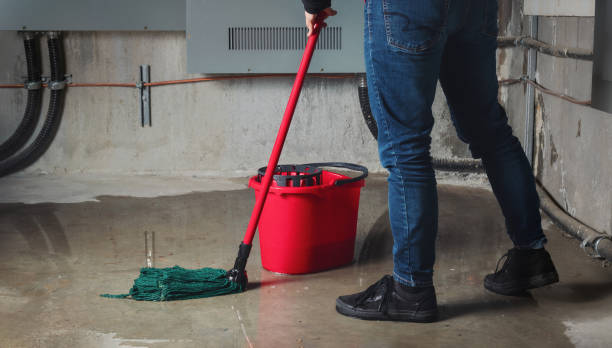
One of the most common questions property owners ask after a flood is why problems keep showing up even after everything looks dry. At first, it feels like once the water is gone, the worst is over. In reality, flood damage often continues to affect a property long after the surface dries. Water does not just sit on top, it seeps into walls, flooring, insulation, and structural components. Even when things appear normal again, moisture can remain trapped inside materials. This is why flood damage cleanup services are critical, because they focus on what cannot be seen as much as what can.
A major concern is hidden moisture. Many people assume that if surfaces feel dry, the problem is solved. However, water that has soaked into deeper layers takes much longer to fully evaporate. Without proper removal, this trapped moisture begins to break down materials from the inside. Over time, it weakens structures, causes surfaces to warp, and creates conditions for further damage. This is where water extraction and drying services become essential. They target moisture deep within materials, ensuring that the drying process is complete and not just surface-level.
Another issue property owners face is contamination. Floodwater is rarely clean, especially when it comes from heavy rain, overflow, or external sources. It often carries dirt, bacteria, and harmful substances that settle into materials during the flooding. Even after drying, these contaminants can remain, affecting indoor conditions. This is why proper cleanup involves more than removing water, it includes restoring a safe and healthy environment that is free from hidden risks.
Property owners also ask why odors develop after a flood. These smells are often caused by moisture that has not been fully removed. When materials stay damp for too long, they begin to break down and release unpleasant odors. This can happen even when the property looks dry on the outside. Addressing the root cause of the moisture is the only way to eliminate these odors completely, rather than masking them temporarily.
Another common question is whether flood damage always leads to mold. While not every case results in mold growth, the risk is high when moisture is left untreated. Mold thrives in damp conditions, and even small pockets of trapped water can trigger its growth. This is why thorough restoration is so important. Removing moisture completely helps prevent mold from developing and spreading to other areas of the property.
Timing also plays a major role in how severe the damage becomes. The longer water sits, the deeper it penetrates and the more materials it affects. Acting quickly with emergency water damage repair helps limit this spread and reduces the level of damage. Fast response is not just about convenience, it directly impacts how much of the property can be saved.
Another concern is structural integrity. Water can weaken support systems over time, even if the damage is not immediately visible. Flooring, walls, and internal frameworks can all be affected by prolonged exposure to moisture. This makes it important to address not just the visible damage, but also the hidden impact that water may have had on the structure.
Property owners often think about long-term value as well. Flood damage that is not handled properly can lead to ongoing issues that reduce the reliability and appeal of the property. Even if repairs are made later, hidden damage can resurface and create additional costs. A complete restoration approach helps protect the value of the property by ensuring that all affected areas are addressed thoroughly.
In the end, flood water causes long-term damage because it does not just affect the surface. It moves deep into materials, carries contaminants, and creates conditions that lead to further problems over time. Addressing it properly requires more than drying what is visible, it requires a full approach that removes moisture, restores safety, and stabilizes the structure. For property owners, understanding this process makes it clear why proper cleanup is essential for preventing future issues.