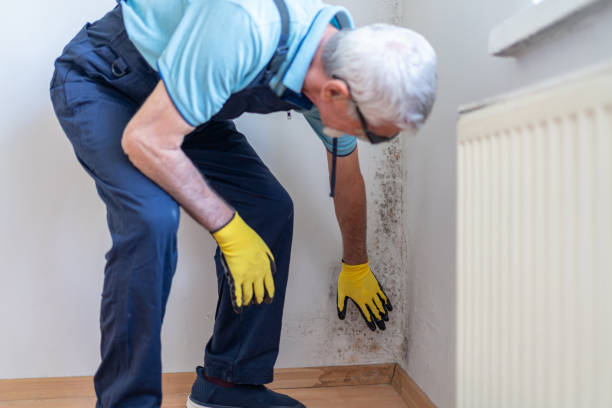
In recent years, discussions about environmental health have expanded beyond outdoor pollution and climate change. Increasingly, scientists and health experts are turning their focus inward—to the air inside our homes, workplaces, and schools.
One of the most common, yet often ignored, contributors to poor indoor air quality? Mold.
While often associated with basements and flood damage, mold can be a persistent problem in even the cleanest-looking buildings. That’s why professional Mold Testing and Inspection is gaining traction not just among property managers and real estate agents, but also among health-conscious homeowners and parents.
The Air You Breathe Indoors Could Be Worse Than Outside
According to the EPA, indoor air can be up to five times more polluted than outdoor air. In Florida, where humidity and temperature fluctuations are the norm, this figure can skew even higher.
Mold contributes significantly to this problem. Once airborne, its spores become part of your breathing environment—circulating through HVAC systems, attaching to clothing and furniture, and triggering a range of physical symptoms.
These include:
- Persistent sinus issues
- Chronic fatigue
- Coughing or throat irritation
- Worsening asthma or respiratory conditions
Yet many people attribute these symptoms to seasonal allergies or stress, never realizing their homes may be the actual source of discomfort.
Not All Mold Is Visible
One of the most misleading assumptions about mold is that it’s always easy to identify. In reality, mold often grows in areas you can’t easily see: behind walls, beneath floorboards, inside HVAC ducts, or under insulation in attics and crawlspaces.
This is where Mold Testing and Inspection becomes crucial. Using tools like air sampling equipment, infrared moisture meters, and surface swabs, professionals can detect mold activity long before it becomes a visible or structural issue.
When Mold Is a Symptom, Not the Root Cause
It’s important to recognize that mold is not the root problem—moisture is. A good inspection doesn’t just find mold; it identifies why the mold is there. Whether it’s due to poor ventilation, a hidden leak, or elevated humidity, resolving the underlying cause is essential to long-term air quality improvement.
This layered approach is something DIY tests and visual assessments can’t deliver. Professional inspectors are trained to understand the interaction between a building’s materials, airflow, and moisture dynamics—context that turns data into real, actionable insights.
The Growing Demand for Third-Party, Unbiased Testing
Another key development in the industry is the move toward independent inspection services that are separate from remediation companies. This ensures that results are unbiased and based on real conditions—not exaggerated to generate cleanup work.
This independence matters, especially when inspections are tied to:
- Insurance claims
- Property sales
- Tenant-landlord disputes
- Legal or health-related documentation
Independent, lab-verified testing offers clarity and credibility in situations where accuracy is non-negotiable.
A Preventive, Not Just Reactive, Approach
While many people only consider mold inspections after water damage or visible signs, there’s growing awareness around using it proactively. Annual or seasonal inspections are becoming part of smart home maintenance, particularly in climates like Florida’s where moisture is a constant variable.
Whether you’re a new homeowner, a long-time property investor, or simply someone concerned about indoor health, scheduling Mold Testing and Inspection can help you understand the true condition of the spaces where you live and work.
Final Thoughts
The quality of your indoor environment matters more than most of us realize. From physical wellness to peace of mind, ensuring your space is safe from mold and other hidden contaminants is both a responsibility and an investment in long-term health.
Mold isn’t just a home maintenance issue—it’s an environmental one. And like any environmental concern, the first step toward addressing it is understanding where you stand.