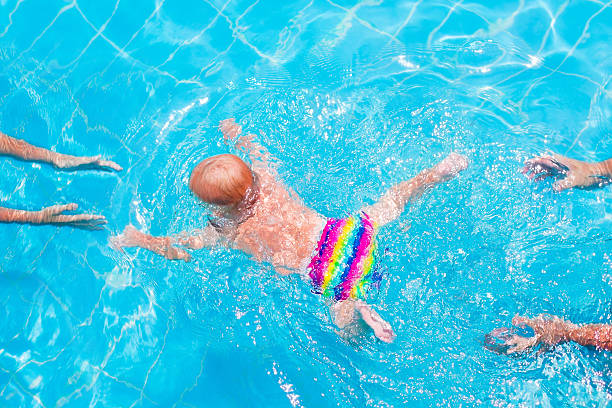
For many parents, taking a baby swimming starts as a one-off activity — a fun day at the pool or a quick dip during a holiday. But over time, those occasional splashes can turn into something much more valuable: a routine that supports development, confidence, and comfort in water.
The key isn’t just going swimming. It’s how consistently and thoughtfully it’s done.
Why Routine Matters More Than Frequency
Babies don’t learn through intensity — they learn through repetition.
A consistent swimming routine helps them:
- Recognise the environment
- Feel secure in unfamiliar settings
- Build comfort with water gradually
Even short, regular sessions can be more effective than long, irregular ones. Familiarity reduces anxiety, and that’s what allows real progress to happen.
The Transition: From Uncertainty to Enjoyment
The first few swimming sessions can be unpredictable. Some babies take to water instantly, while others need time.
Common early reactions include:
- Clinging tightly to parents
- Sudden crying or discomfort
- Hesitation with splashing or movement
These responses are completely normal. What matters is not forcing progress but allowing the baby to adapt at their own pace.
Over time, with repeated exposure, most babies begin to:
- Relax their body in the water
- Kick and move more freely
- Show curiosity instead of hesitation
Creating a Stress-Free Swim Environment
A successful routine depends heavily on the environment you create.
Small adjustments can make a big difference:
- Choose quieter times at the pool
- Keep sessions short and calm
- Maintain physical closeness for reassurance
- Use consistent entry and exit patterns
Babies respond strongly to sensory input. A calm setting helps them process new experiences without feeling overwhelmed.
The Importance of Preparation Before Entering the Water
What happens before you get into the pool is just as important as what happens in it.
Preparation includes:
- Feeding at the right time (not too full, not too hungry)
- Ensuring the baby is well-rested
- Having all essentials ready to avoid stress
For babies who aren’t toilet trained, practical considerations also come into play. Products like swim nappies are designed specifically for water use, helping maintain hygiene without interfering with movement or comfort.
Understanding Energy Levels in Water
Water can be surprisingly tiring for babies.
Even if they appear active, they are:
- Using new muscle groups
- Adjusting to resistance from water
- Processing unfamiliar sensations
This means:
- Fatigue can set in quickly
- Short sessions are often more effective
- Rest and recovery are essential
Watching for cues like yawning, fussiness, or reduced movement can help you time your sessions better.
Making Swimming a Positive Association
Babies build associations quickly. If swimming feels stressful, they may resist it in future sessions. If it feels enjoyable, they’ll look forward to it.
You can encourage positive associations by:
- Smiling and maintaining eye contact
- Using a calm, reassuring tone
- Allowing free play instead of structured drills
The goal in early stages isn’t technique — it’s comfort and enjoyment.
Consistency at Home Matters Too
A water routine doesn’t have to be limited to pools.
Simple activities at home can reinforce familiarity:
- Bath time play
- Gentle water pouring over arms and legs
- Encouraging splashing and movement
These small interactions help babies feel more at ease when they return to larger bodies of water.
The Long-Term Benefits of Early Water Confidence
Establishing a routine early on can lead to lasting advantages:
- Increased comfort in aquatic environments
- Improved coordination and muscle development
- Reduced fear of water later in childhood
More importantly, it creates a foundation for learning essential water safety skills as the child grows.
When to Adjust the Routine
Not every session will go as planned, and that’s okay.
It may be time to adjust if:
- The baby consistently seems uncomfortable
- Sessions feel rushed or stressful
- There are changes in sleep or feeding patterns
Flexibility is key. Adapting the routine to your child’s needs ensures the experience remains positive.
Final Thought
Building a swimming routine for your baby isn’t about strict schedules or perfect technique. It’s about creating a space where they can gradually feel safe, curious, and comfortable in water.
Over time, those small, consistent moments add up — turning hesitant first splashes into confident, joyful movement.
And in the end, that confidence is what makes all the difference.